Saturday, April 9, 2022

Researchers think they now know how exercise reduces bowel cancer risk

CANCER DIGEST – April 9, 2022 – It has long been known that exercise reduces the risk of colorectal cancer, but the biological mechanism for how it does that has been unknown, until now. 

Researchers at Newcastle University in the UK believe they have identified the exercise-released substance that affects cancer. Their study first appeared online Feb. 25, 2022 in the International Journal of Cancer.

Saturday, April 2, 2022

Half of all women have false positive mammograms after 10 years of annual screening

Photo credit UC Davis Health

CANCER DIGEST – April 2, 2022 – Half of women who have an annual mammogram will experience a false positive result over 10 years of screening, according to a new analysis of breast cancer screening data published in the March 25, 2022 journal
JAMA Network.

Saturday, March 26, 2022

FDA approves new immunotherapy treatment for advanced melanoma

Photo credit – Oregon Health Sciences University
Fritz Liedtke
CANCER DIGEST – March 25, 2022 – There’s new hope for patients with an aggressive form of skin cancer that can’t be treated with surgery. 

The FDA approved a new treatment regimen that combines two immunotherapy drugs that significantly extends progression-free survival.

The FDA approval follows the results of the RELATIVITY-047 clinical trial that involved 714 patients with advance, previously untreated melanoma. 

Patients were randomly assigned to receive the combination therapy of relatlimab and nivolumab or nivolumab alone. Results of the trial were published in The New England Journal of Medicine on Jan. 6, 2022.

At one year after starting the trial, 48 percent of those in the combination therapy survived with the cancer not processing, called progression-free survival. That compared to 37 percent of the nivolumab group surviving that long without cancer progression. 

Saturday, March 19, 2022

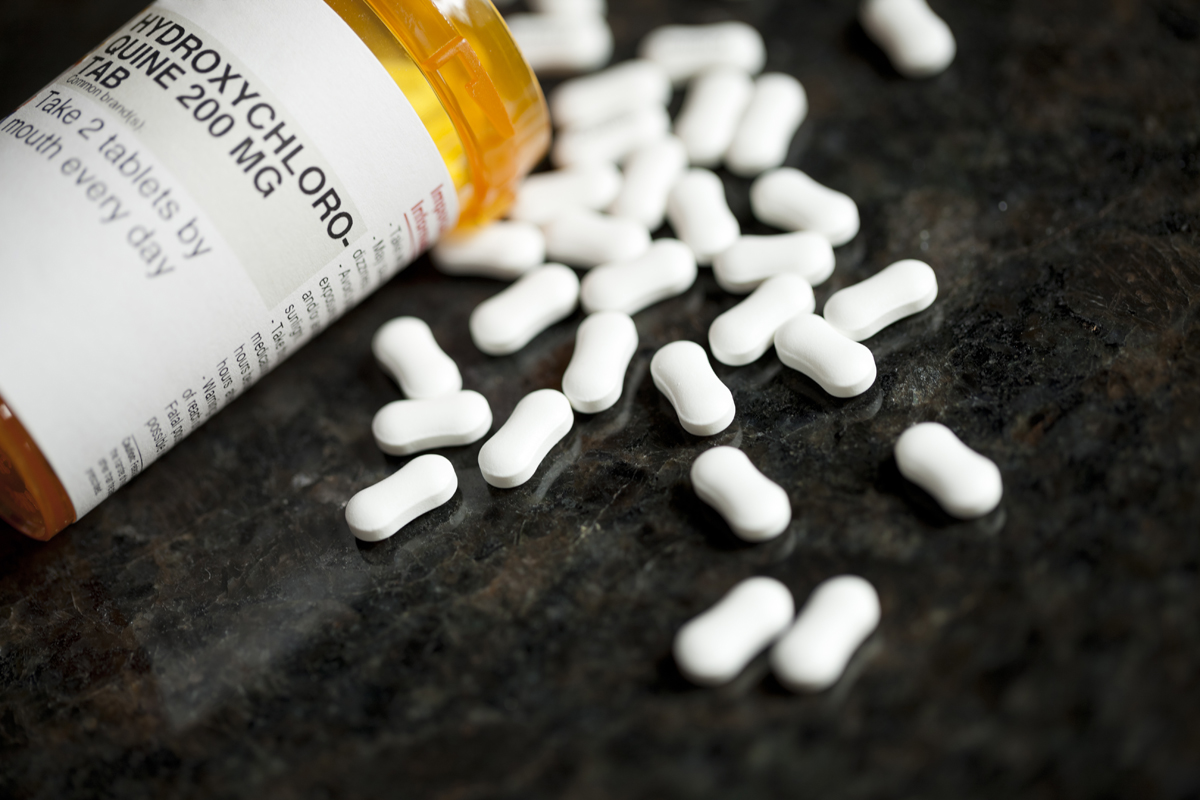
Could hydroxychloroquine make chemotherapy more effective in certain cancers?

Image credit – National Institutes of Health

CANCER DIGEST – March 19, 2022 – While it might not be an effective COVID-19 treatment, a new study suggests that the anti-malaria drug hydroxychloroquine might make a common chemotherapy treatment more effective for head and neck cancers.

Thrust into the headlines at the beginning of the COVID-19 pandemic as a potential treatment promoted by the former president of the US, hydroxychloroquine has been shown to breakdown tumor resistance to the chemotherapy drug cisplatin, long used to treat a variety of cancers, including head and neck cancers.

Friday, March 11, 2022

Tweaking cancer drug to target iron boosts effectiveness and reduces toxicity

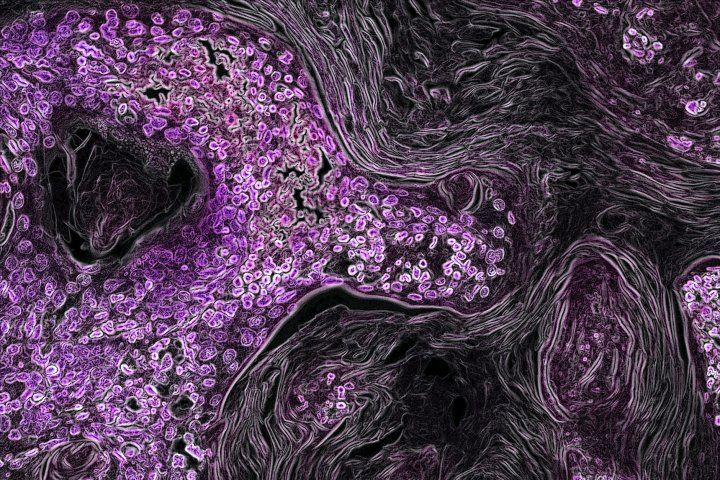
A microscopic image of KRAS-driven lung cancer (purple) in a
mouse model. Image credit – 
National Cancer Institute

CANCER DIGEST – March 11, 2022 – By tweaking an already FDA-approved cancer drug, researchers at the University of California San Francisco have opened up new therapies for cancers with a specific mutation that are particularly difficult to treat. The study appears in the March 9, 2022 Journal of Experimental Medicine.